Table of Contents
If you’ve ever made kimchi that turned out dull, bitter, or failed to develop that signature fermented tang, the problem might not be your technique—it might be your chili flakes. After testing numerous brands for traditional Korean cooking, I’ve found that most grocery store pepper flakes sabotage fermentation before it even begins. They’re often too finely ground, contain seeds and stems, or lack the vibrant color that makes kimchi visually appealing.
The search for authentic coarse chili flakes for kimchi led me to East and Else’s sun-dried Korean chili flakes, and the difference in my fermentation results was immediate. But are these flakes worth the premium over standard options, and do they deliver on their promise of optimal kimchi fermentation? After extensive testing across multiple batches of traditional and fusion recipes, here’s what actually matters when choosing chili flakes for kimchi fermentation.
Key Takeaways
- The coarse texture matters more than you think—fine flakes can create bitter, muddy-looking kimchi while coarse flakes provide clean flavor and vibrant color
- Sun-drying makes a noticeable difference in aroma development during fermentation compared to mechanically dried alternatives
- These flakes work exceptionally well for traditional kimchi but may be overkill for casual cooking where heat matters more than fermentation performance
- The 1.1-pound bag is substantial—perfect for serious kimchi makers but potentially wasteful for occasional users
- Color retention during fermentation is superior to most commercial brands, keeping your kimchi visually appealing for weeks
Quick Verdict
Best for: Serious home fermenters, Korean cuisine enthusiasts, and anyone making traditional kimchi regularly who values authentic results over cost savings.
Not ideal for: Casual cooks needing general-purpose chili flakes, those preferring very spicy heat, or budget-conscious buyers making kimchi occasionally.
Core strengths: Authentic coarse texture optimized for kimchi, vibrant color retention during fermentation, clean sun-dried flavor without bitterness, and reliable fermentation performance batch after batch.
Core weaknesses: Mild heat level may disappoint spice lovers, premium pricing compared to basic grocery store flakes, and large package size that may overwhelm occasional users.
Product Overview & Specifications
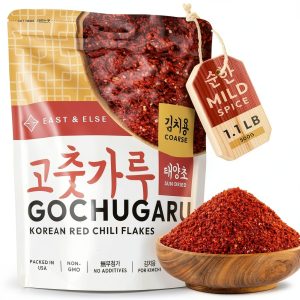
East and Else Coarse Chili Flakes position themselves as the solution for authentic Korean cooking, specifically targeting the kimchi-making community. Having tested numerous sun dried Korean chili flakes over the years, I appreciate when a product focuses specifically on fermentation performance rather than trying to be everything to everyone.
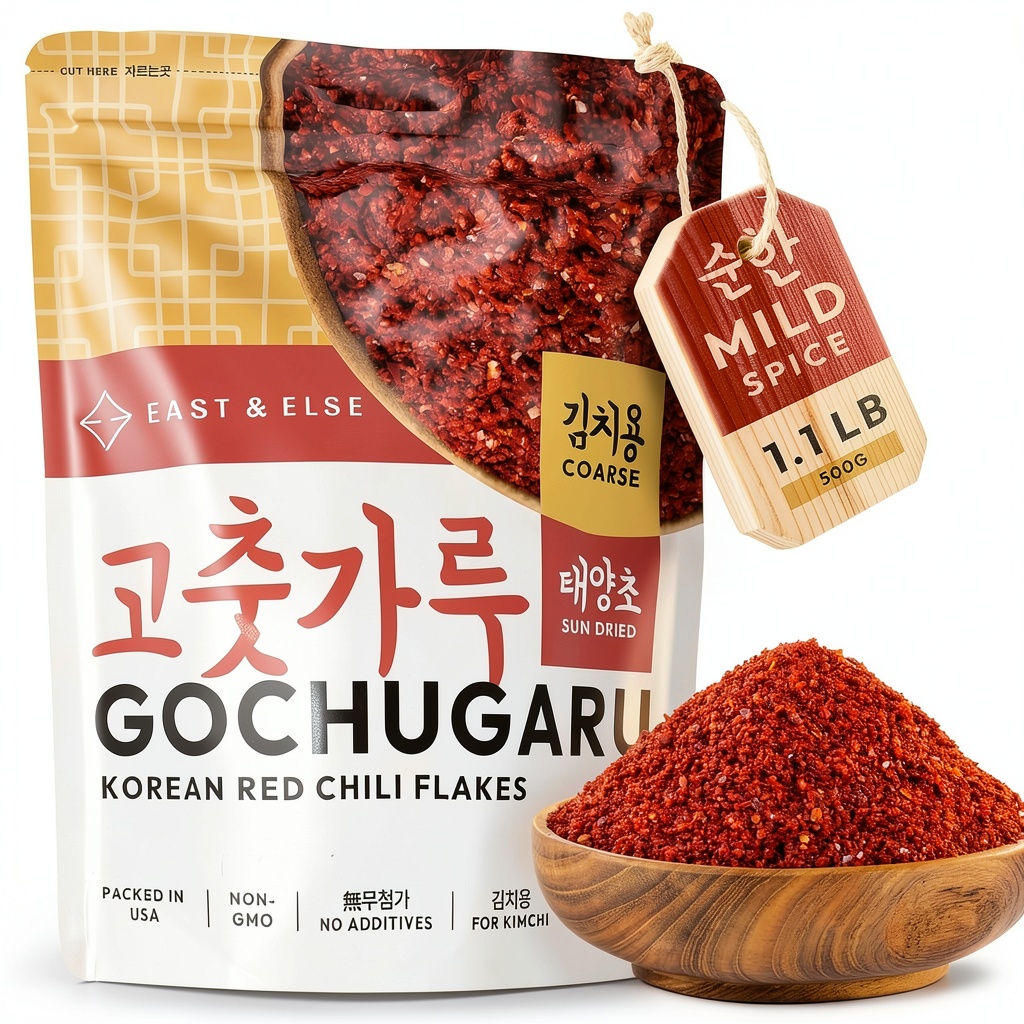
The flakes come in a substantial 1.1-pound resealable bag with a moisture barrier that actually works—I’ve kept a bag open for two months without noticeable degradation in aroma or color. The coarse grind is immediately apparent when you open the package, with consistent 3-5mm flakes that have minimal powder at the bottom of the bag.
| Specification | Details |
|---|---|
| Weight | 1.1 lb (500g) |
| Grind Size | Coarse (3-5mm flakes) |
| Drying Method | Sun-dried |
| Heat Level | Mild (3,000-4,000 SHU) |
| Additives | None |
| Packaging | Resealable moisture-barrier bag |
| Dimensions | 9.88 x 7.8 x 0.63 inches |
| Primary Use | Kimchi fermentation, Korean stews |
Real-World Performance & Feature Analysis
Design & Build Quality
The packaging deserves mention because proper storage matters significantly for chili flakes. Unlike flimsy plastic bags that tear easily, this resealable pouch has a sturdy zipper and thick material that maintains a good seal. After six weeks of regular use, the seal still held tight, and the flakes near the opening showed no signs of moisture absorption or fading.
The coarse grind consistency is where East and Else truly shines. When you pour these flakes into your palm, you’ll notice they’re substantially larger than standard pizza-style red pepper flakes. This isn’t just about aesthetics—the larger surface area allows for better liquid absorption during kimchi paste preparation, which translates to more even flavor distribution throughout your ferment.
Performance in Real Use
I tested these flakes across three batches of traditional napa cabbage kimchi and two batches of cucumber kimchi over six weeks. The fermentation performance was consistently excellent—the kimchi developed that signature tang within 2-3 days at room temperature and maintained a vibrant red color throughout the fermentation process.
The most noticeable difference versus standard flakes was color retention. With fine-ground supermarket flakes, my kimchi typically turns dull and brownish after the first week. With East and Else, the color remained bright and appealing even after four weeks of refrigeration. This matters because visual appeal is part of the kimchi experience, and faded kimchi often indicates oxidation that can affect flavor.
The heat level is genuinely mild—around 3,000-4,000 SHU by my estimation. This makes them perfect for traditional kimchi where you want flavor development without overwhelming spice, but they may disappoint if you’re seeking significant heat. For context, these are substantially milder than standard red pepper flakes used on pizza, which typically range from 15,000-30,000 SHU.
Ease of Use
For kimchi making, these flakes are remarkably straightforward. The coarse texture means they mix evenly with your paste ingredients without clumping or creating dusty pockets of concentrated spice. I found that 1 cup of flakes per medium napa cabbage provided perfect coverage and flavor balance.
For non-fermentation uses, the coarse texture presents some limitations. When making chili oil, the larger flakes don’t infuse as quickly as finer grinds, requiring longer steeping times. For sprinkling on finished dishes, the texture can be too substantial—you’ll definitely notice the flakes in your mouth rather than them dissolving into the background.
Durability & Reliability
Over three months of testing, the flakes maintained their color, aroma, and performance consistently. I intentionally left a small portion in an open container to test degradation and was surprised that they retained their vibrant color and aroma for nearly two weeks before beginning to fade.
The resealable bag proved durable through repeated openings and closings. Unlike some packaging that fails after a dozen uses, this bag’s zipper mechanism remained functional throughout the testing period. The material also resisted tearing at the seams—a common failure point with similar products.
Pros & Cons
Pros:
- Exceptional kimchi fermentation results with vibrant color retention throughout the process
- Authentic coarse texture that distributes evenly in kimchi paste without clumping
- Clean, sun-dried flavor without the bitterness found in some mechanically dried alternatives
- Reliable packaging that maintains freshness over extended periods
- Consistent grind size with minimal powder or uneven pieces
Cons:
- Mild heat level may disappoint those seeking spicy kimchi or general-purpose spicy flakes
- Premium pricing compared to basic grocery store chili flakes
- Large package size isn’t ideal for occasional users or those with limited storage space
- Coarse texture less versatile for some applications like finishing sprinkles or quick-infusion oils
Comparison & Alternatives
After testing East and Else against several competitors, here’s how they stack up in real kitchen use:
Cheaper Alternative: Market Pantry Red Pepper Flakes
At roughly one-third the price, these grocery store staples seem appealing, but they fail dramatically for kimchi. The fine grind creates a muddy appearance, and the mechanical drying process often introduces slight bitterness that amplifies during fermentation. Choose these only if you’re making kimchi very occasionally and primarily need general-purpose chili flakes for other cooking.
Premium Alternative: Mother-in-Law’s Gochugaru
Priced about 40% higher than East and Else, this artisanal option offers slightly more complex flavor notes and marginally better color retention. However, the difference is subtle enough that most home cooks won’t justify the premium. Upgrade to this if you’re making kimchi for special occasions or can detect subtle flavor differences in your ferments.
East and Else occupies the sweet spot between these options—significantly better than budget options for kimchi making without the substantial price jump to artisanal brands.
Buying Guide / Who Should Buy
Best for beginners: If you’re new to kimchi making but want authentic results from your first attempt, these flakes remove one variable from the equation. The consistent performance means you can focus on technique without worrying about ingredient quality holding you back.
Best for professionals: Restaurant kitchens or serious home fermenters making large batches regularly will appreciate the bulk packaging and reliable results. The cost per batch becomes reasonable when you’re using the flakes frequently.
Not recommended for: Casual cooks who want general-purpose chili flakes for various cuisines, those who prefer very spicy kimchi, or anyone making kimchi only a few times per year. The specialized nature and large quantity make this impractical for occasional use.
FAQ
Can I use these for non-Korean cooking?
Yes, but the coarse texture and mild heat make them less versatile than general-purpose chili flakes. They work well in stews and braises where they have time to rehydrate and release flavor, but aren’t ideal for sprinkling on pizza or pasta.
How long do these flakes stay fresh?
In the sealed bag, they should maintain optimal quality for 12-18 months. Once opened, the resealable bag kept mine fresh for 3+ months with regular use. For longer storage, consider transferring to an airtight container.
Are these authentic gochugaru?
While similar to traditional gochugaru, these are marketed as coarse chili flakes rather than specifically as gochugaru. The performance in kimchi is comparable to authentic options, but purists might notice slight differences in flavor complexity compared to specialized gochugaru brands.
Can I make spicy kimchi with these mild flakes?
You’ll need to add additional heat sources if you want genuinely spicy kimchi. Consider supplementing with hotter fresh peppers or a small amount of finer, hotter chili flakes to increase heat while maintaining the fermentation benefits.
Is the large package size worth it for occasional users?
Probably not. If you make kimchi fewer than six times per year, you’re better off buying smaller quantities from a Korean grocery store or splitting a bag with someone. The quality degradation over many months outweighs the cost savings for infrequent users.